Capturing stunning aerial imagery has become a vital component of modern marketing, real estate, and event documentation. The unique perspective provided by high-altitude shots can transform a standard project into a visually captivating experience.
However, achieving professional results requires more than just owning a remote-controlled aircraft; it involves technical skill, creative vision, and strict adherence to safety regulations.
When searching for drone photography, it is essential to evaluate potential providers based on specific criteria to ensure you receive high-quality content that meets your professional standards. Here are the primary factors to keep in mind during your selection process.
Licensing and Regulatory Compliance
The most critical factor in hiring an aerial specialist is ensuring they hold the proper legal certifications for commercial operation. Operating a drone for business purposes often requires specific permits and licenses from local aviation authorities.
A professional provider of drone photography will be well-versed in no-fly zones, altitude limits, and privacy laws.
Hiring an unlicensed operator not only risks the quality of your project but could also lead to significant legal liabilities and fines for both the pilot and the client. Always request proof of certification before signing a contract.
Comprehensive Insurance Coverage
Aerial operations carry inherent risks, including equipment failure or unpredictable weather conditions. It is vital to confirm that the service provider carries adequate liability insurance specifically tailored for unmanned aerial vehicles.
This coverage protects you and your property in the rare event of an accident or physical damage during the shoot. A reputable company specializing in drone photography will prioritize safety and have a clear protocol for risk management.
Professional insurance is a hallmark of a serious business and provides peace of mind throughout the duration of the project.
Quality of Equipment and Technical Specifications
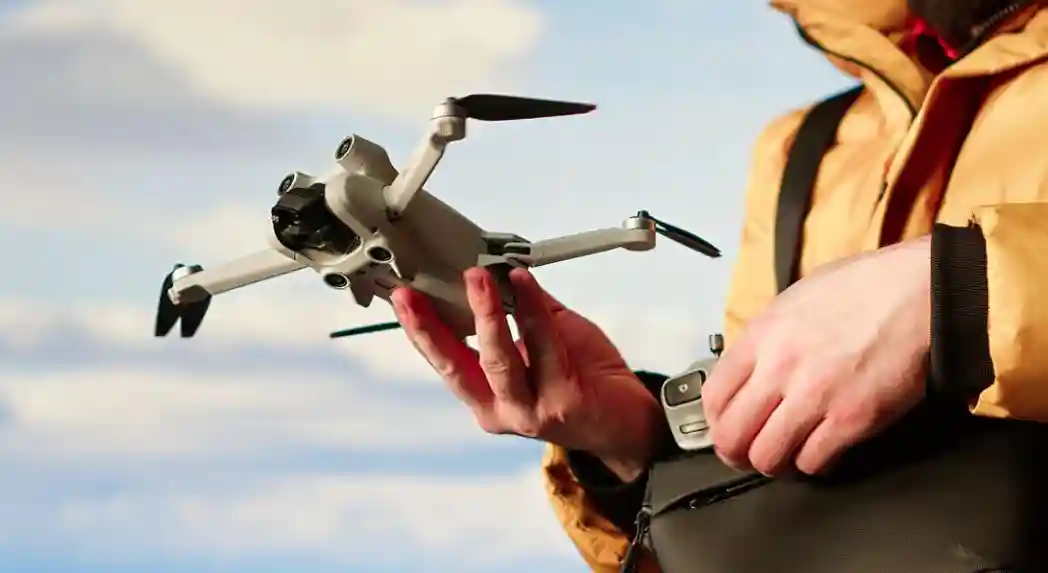
The quality of the final images and videos depends heavily on the technology being utilized. Different drones are equipped with different sensors, varying in their ability to capture high-resolution 4K video or RAW photographs.
Inquire about the specific camera specifications and stabilization systems the team uses. For high-end commercial work, you should look for a provider that uses professional-grade hardware capable of maintaining stability in moderate winds.
Superior equipment ensures that your drone photography is crisp, clear, and free from the jittery movements often associated with entry-level devices.
Portfolio Diversity and Artistic Style
Technical skill must be matched by a strong creative eye. Reviewing a provider’s past work is the best way to determine if their aesthetic aligns with your vision. Look for a portfolio that showcases a variety of lighting conditions, angles, and subjects.
Whether you need sweeping landscapes for a tourism campaign or precise architectural shots for a construction progress report, the pilot should demonstrate versatility.
A seasoned expert in drone photography will know how to use natural light and composition to highlight the best features of your subject from above.
Post-Processing and Editing Capabilities
Capturing the raw footage is only half of the process. Professional aerial services should include comprehensive post-production work, such as color grading, image retouching, and video editing. Ask the provider about their workflow and what kind of software they use to enhance the final output.
High-quality editing can correct exposure issues and ensure that the colors are vibrant and true to life. Clear communication regarding the expected delivery format and the number of rounds of revisions included in the price will help avoid misunderstandings later in the project.