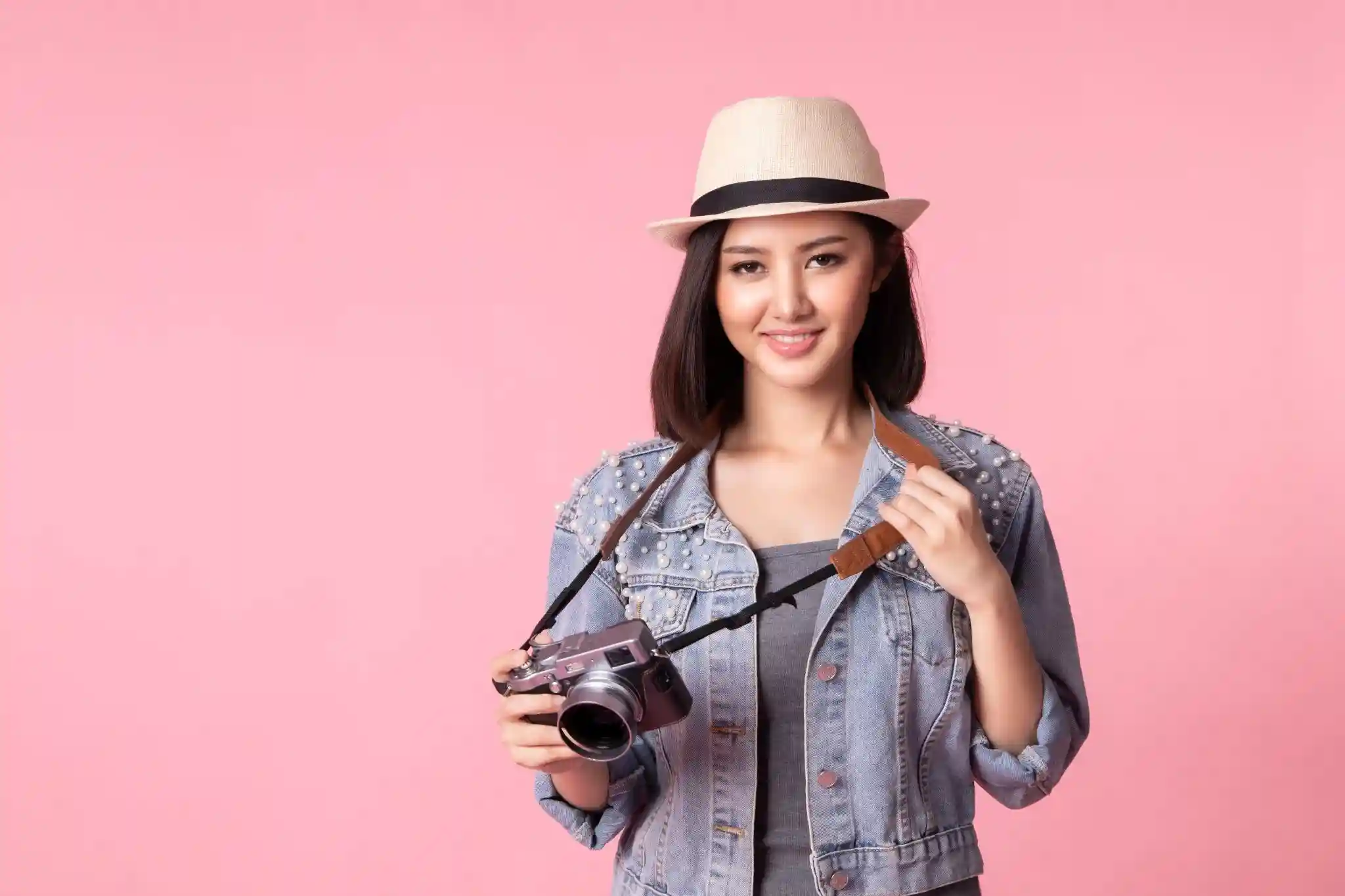
Portrait photography is an art form that captures the essence of individuals, conveying emotions, stories, and personalities through the lens. As a beginner stepping into this vibrant world, you may feel overwhelmed by the myriad of techniques, styles, and approaches. However, embracing creativity and exploring various portrait photography ideas can transform your skills and help you find your unique voice as a photographer. This guide will delve into the heart of portrait photography, offering innovative ideas and expert advice to ignite your passion and enhance your portfolio.
Understanding Portrait Photography
The Essence of Portrait Photography
At its core, portrait photography is about connection. It goes beyond simply capturing a face; it tells a story, evokes feelings, and creates a bond between the subject and the viewer. The essence of portrait photography lies in its ability to convey emotions, whether it’s joy, sadness, introspection, or celebration. Different styles, from traditional posed portraits to candid shots, offer diverse ways to express these emotions. Understanding the various approaches will empower you to choose the style that resonates with you and your subjects.
Essential Equipment for Beginners
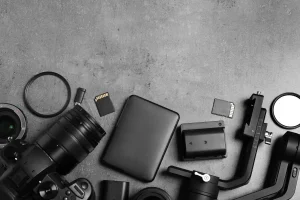
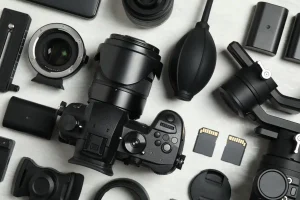
Diving into portrait photography doesn’t require an extensive array of equipment, but having the right tools is crucial. A good camera is the foundation of your photography journey. While DSLRs and mirrorless cameras are popular choices for their versatility and image quality, even smartphones can yield stunning portraits with the right techniques. Selecting the right lens is equally important; a prime lens with a wide aperture, such as 50mm or 85mm, is ideal for achieving a beautiful depth of field that helps isolate your subject against a blurred background.
Portrait Photography Ideas for Various Settings
Outdoor Portraits in Natural Light
One of the most rewarding experiences in portrait photography is shooting outdoors in natural light. The changing conditions of daylight offer a wealth of creative opportunities. When choosing a location, consider places that resonate with your subject, such as parks, urban landscapes, or even their backyard. The golden hour, shortly after sunrise or before sunset, provides soft, flattering light that enhances skin tones and adds a magical quality to your photos.
Studio Portraits with Controlled Lighting
While outdoor photography has its charm, studio portraits offer unparalleled control over lighting and ambience. Setting up a studio doesn’t require a dedicated space; you can transform your living room or garage into a makeshift studio. A simple backdrop, such as a solid color or a textured surface, can make your subject pop against the background.
In a studio setting, you can experiment with various lighting setups to create different moods. Using a key light as the main source and adding fill lights or reflectors can create depth and dimension in your portraits. High-key lighting can evoke a bright and airy feel, while low-key lighting can add drama and intensity. Don’t hesitate to play around with light modifiers like softboxes or umbrellas to soften shadows and create the perfect atmosphere for your shoot.
Creative Themes for Portrait Photography
Environmental Portraits
Environmental portraits offer a glimpse into the subject’s world, providing context and depth to the image. This style involves capturing individuals in their natural surroundings, whether at work, home, or enjoying a favorite activity. For instance, photographing an artist in their studio or a chef in a bustling kitchen can reveal their personality and passion.
When planning environmental portraits, engage with your subjects to understand their stories and what elements are important to them. Encourage them to incorporate items that reflect their interests or profession. These details can enhance the narrative and create a more compelling composition. Positioning your subject strategically within the environment can lead to stunning results, allowing the background to complement and enhance the portrait rather than distract from it.
Candid and Lifestyle Portraits
Candid and lifestyle portraits focus on capturing genuine moments and emotions, allowing the subject’s personality to shine through. This approach differs from traditional posed portraits, as it emphasizes spontaneity and authenticity. To achieve candid shots, create a relaxed atmosphere where your subject feels comfortable and at ease. Engage in conversation, and don’t be afraid to give them prompts or suggestions to elicit natural reactions.
To enhance the storytelling aspect of lifestyle portraits, consider documenting everyday activities or interactions. This could involve capturing a family playing together, a couple sharing a laugh, or an individual immersed in a hobby. The beauty of candid photography lies in its ability to freeze fleeting moments that evoke strong emotions, making the viewer feel connected to the subject.
Unique Portrait Photography Techniques
Playing with Angles and Perspectives
Innovative angles and perspectives can elevate your portrait photography, adding depth and interest to your images. Experimenting with different viewpoints can transform an ordinary portrait into something extraordinary. Try shooting from above, below, or at an angle to create a dynamic composition that captures the viewer’s attention.
When playing with angles, consider the subject’s body language and expression. A low angle can make your subject appear more powerful and imposing, while a high angle can create a sense of vulnerability. Encourage your subjects to move and interact with their environment, allowing you to capture candid moments that showcase their personality and emotions.
Incorporating Props and Accessories
Using props and accessories can add context, creativity, and fun to your portraits. Props can be anything from hats and musical instruments to books or sports equipment, items that reflect your subject’s interests and personality. When incorporating props, ensure they enhance the story without overwhelming the subject.
When selecting props, think about how they interact with your subject. For example, a musician with their instrument can create a narrative that speaks to their passion. Consider including props that allow for interaction, such as balloons or flowers, which can elicit joyful emotions and natural expressions. Remember, the goal is to create a harmonious composition where the props complement the subject rather than distract from them.
Post-Processing Techniques for Portraits
Basic Editing Tips for Beginners
Post-processing is an essential part of the portrait photography process, allowing you to enhance your images while maintaining their authenticity. Familiarize yourself with editing software like Adobe Lightroom or Photoshop, which provides a wide range of tools to adjust exposure, color balance, and sharpness.
Start with basic adjustments such as exposure and contrast to ensure your portrait looks its best. Fine-tuning the white balance can help achieve more accurate skin tones, while adjusting saturation and vibrancy can enhance colors without making them look unnatural. Be cautious with heavy editing; the goal is to enhance your portrait while preserving the subject’s unique features and expressions.
Creating a Signature Style
Developing a signature editing style is crucial for establishing your identity as a photographer. Consistency in your editing creates a cohesive portfolio that reflects your artistic vision. Experiment with different filters, color grading techniques, and effects to find what resonates with you.
Consider creating presets that you can apply to your images for a uniform look across your work. This not only saves time during the editing process but also helps establish a recognizable aesthetic. Seek inspiration from other photographers whose styles you admire, but always strive to infuse your personality into your work, resulting in a unique and authentic representation of your vision.
Building Your Portrait Photography Portfolio
Curating Your Best Work
A well-curated portfolio is essential for showcasing your skills and attracting potential clients. Start by selecting your best portraits, focusing on images that demonstrate your versatility and creativity. Aim for a diverse collection that highlights different styles, settings, and subjects to show your range as a photographer.
When arranging your portfolio, consider the flow of images. Group similar styles together or create sections that highlight different themes, such as studio portraits, environmental portraits, and candid shots. Ensure that your portfolio reflects your personality and artistic vision, allowing viewers to connect with your work on a deeper level.
Seeking Feedback and Improvement
Constructive criticism is invaluable for growth as a photographer. Share your work with trusted peers, mentors, or photography communities to gain insights and feedback. Engaging with others in the field can provide fresh perspectives and help you identify areas for improvement.
Don’t shy away from seeking mentorship from experienced photographers. They can offer guidance, share their experiences, and provide tips on navigating the photography landscape. Participating in workshops, online forums, or local photography clubs can foster connections and provide opportunities to learn from others.
Conclusion
Embarking on your portrait photography journey is an exciting and fulfilling endeavor. By exploring various ideas, techniques, and styles, you can develop your skills and create compelling images that resonate with viewers. Photography is an art form that thrives on creativity and personal expression, so don’t be afraid to experiment and push boundaries. Remember that every photograph tells a story, and it’s your unique perspective that will make your work stand out. As you continue to hone your craft, embrace the journey, and let your passion for portrait photography shine through your lens.