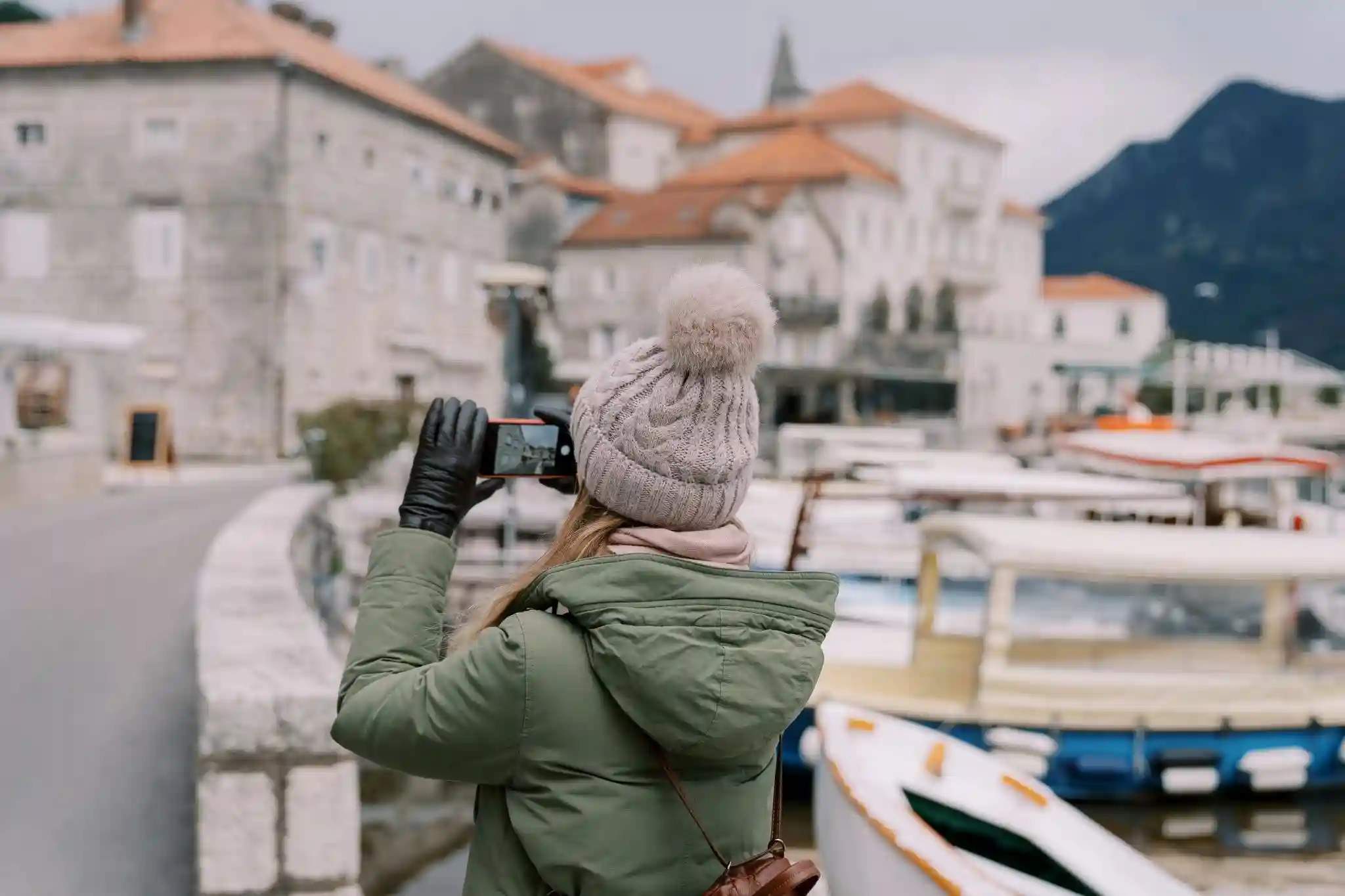
You are standing in front of one of the most beautiful scenes you have ever witnessed. The light is extraordinary. The colors are unlike anything you have seen in a photograph. Your heart is genuinely moved. And then you raise your camera, press the shutter and look at the result on your screen. It is flat. It is dull. The magic that was so overwhelmingly present in the moment has evaporated completely. The photograph looks nothing like what you saw. Nothing like what you felt. And you stand there wondering whether the problem is your camera, your eye or some talent that other photographers possess and you simply do not. The problem is none of those things. The problem is knowledge. And knowledge is the one thing that can be learned.
Travel Photography Tips are not tricks that professionals hoard to maintain their advantage. They are a set of learnable skills, habits and ways of seeing that any beginner can develop with the right guidance and the right attitude. This guide gives you exactly that. From gear to light to composition to the mindset that makes the difference between someone who takes photographs and someone who makes them.
Why Travel Photography Is Different From Every Other Kind of Photography
Travel photography asks more of you than almost any other photographic discipline. In a portrait studio, you control the light, the background and the subject. In a wildlife hide, you control your position and your patience. But in travel photography, you control almost nothing except yourself. The light changes without warning. The moment you planned for is replaced by a different and possibly better moment that you did not anticipate. The location you researched looks nothing like the images you saw online. And you have seconds, not minutes, to make decisions that in a studio you would take hours to resolve.
This unpredictability is both the greatest challenge and the greatest joy of travel photography. It demands a kind of visual alertness and creative flexibility that other disciplines do not require. And it rewards the photographers who develop those qualities with images that carry an aliveness and authenticity that no controlled environment can replicate. Understanding this fundamental difference is the first and most important of all Travel Photography Tips. Go into every shooting situation expecting the unexpected and you will be ready for the moments that no amount of planning could have predicted.
The Gear Truth Nobody Tells Beginner Travel Photographers
The gear conversation in photography is dominated by two equally unhelpful extremes. One camp insists that equipment does not matter and that the best camera is the one you have with you. The other camp implies that professional results require professional equipment. The truth sits in a more specific and more useful place.
What Camera Equipment Actually Matters for Travel
The camera you travel with matters less than how well you know it. A beginner who deeply understands a mid-range mirrorless camera will consistently outperform a beginner using a professional camera body they do not understand in a fraction of its capabilities. For travel specifically, weight and size matter enormously. A camera system you leave in the hotel because it is too heavy to carry all day produces zero photographs. Sony’s APS-C mirrorless lineup, Fujifilm’s X-series and Micro Four Thirds systems from Olympus and Panasonic all offer genuine image quality in packages that do not require a dedicated camera bag to transport comfortably. The most important technical skill for any travel camera is understanding your autofocus system well enough to capture moving subjects reliably. Practice this at home before you travel rather than discovering its limitations while watching a once-in-a-lifetime moment blur past your lens.
The Accessories That Make or Break a Travel Shoot
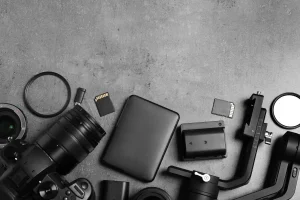
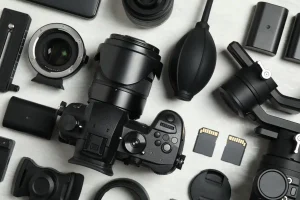
Accessories for travel photography should be evaluated through the lens of impact-to-weight ratio. A polarizing filter that eliminates reflections on water and deepens blue skies weighs almost nothing and produces results that no post-processing can replicate. Extra batteries cost almost nothing and eliminate the specific misery of a dead camera during golden hour. A lightweight travel tripod opens shooting possibilities after dark and in low-light interiors that handheld photography cannot access. A basic cleaning kit protects your sensor from the dust and humidity that travel environments consistently generate. These four additions cover the vast majority of situations where gear limitation rather than skill limitation determines the quality of a travel photograph.
Understanding Light – The Single Most Important Travel Photography Skill
Every Travel Photography Tip about composition, camera settings or subject matter is secondary to this one. Light is not the environment in which photography happens. Light is the medium of photography. Everything you capture is a record of how light is behaving in a specific place at a specific moment. Understanding light changes not just how you photograph but when you photograph, where you position yourself and what subjects become worth capturing at different times of day.
Golden Hour, Blue Hour and Why Timing Changes Everything
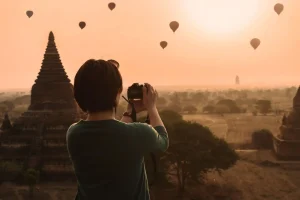
Golden hour, the period approximately one hour after sunrise and one hour before sunset, produces light with qualities that photographers pursue with almost obsessive dedication. The low angle of the sun during these windows creates long shadows that give landscapes and cityscapes dimensional texture. The warm color temperature of the light adds emotional warmth to portraits and architectural images. And the directional quality of the light, coming from the side rather than overhead, creates the kind of depth and drama that midday light almost never produces. Blue hour, the period of twenty to thirty minutes after sunset and before sunrise, produces a different and equally valuable quality of light.
How to Work With Difficult Light Instead of Fighting It
Midday light, overcast light and harsh artificial light are not photography’s enemies. They are different tools that require different approaches. Overcast light is actually ideal for portrait and detail photography because the cloud cover acts as a giant diffuser that eliminates harsh shadows and renders color with exceptional accuracy. Midday light in strong sun is punishing for landscapes but excellent for images that specifically benefit from high contrast and graphic simplicity. Harsh artificial light at night creates opportunities for long exposure experimentation that golden hour cannot provide. The shift in mindset from seeking perfect light to working with available light is one of the most liberating developments in any travel photographer’s development.
Composition Techniques That Instantly Elevate Travel Photos
Composition is the skill that separates photographs that hold attention from photographs that are glanced at and forgotten. It is learnable, transferable across every subject and camera system and immediately impactful from the first moment it is consciously applied.
Beyond the Rule of Thirds – Framing, Leading Lines and Layers
The rule of thirds is the entry point for compositional thinking and worth understanding. But the most powerful compositional techniques go further. Natural framing, using doorways, arches, windows, tree branches and other environmental elements to create a frame within the frame, adds depth and context that directs the viewer’s eye with a sophistication that simple subject placement cannot achieve. Leading lines, roads, rivers, fences, staircases and any linear element that directs the eye through the frame toward the main subject, create a sense of depth and movement that transforms two-dimensional images into experiences with spatial dimension. Layering foreground, midground and background elements creates photographs with a richness and complexity that rewards extended viewing rather than a glance. The most impactful Travel Photography Tips about composition share a single underlying principle: give the viewer’s eye somewhere to travel within the frame and a reason to stay there.
How to Handle Crowds and Busy Scenes Like a Pro
Crowds are the perpetual challenge of travel photography at popular destinations. The image in your imagination has no tourists. The image in your viewfinder has hundreds of them. Managing this gap requires a combination of timing, patience and creative reframing. Early morning visits to popular sites, arriving thirty minutes before official opening times, consistently deliver crowd-free or crowd-reduced shooting windows that midday visits never provide. Long exposure techniques using a tripod and slow shutter speeds blur moving crowds into a ghostly absence while static architectural and landscape elements remain sharp. Reframing to include rather than exclude crowd presence turns what felt like an obstacle into an element that communicates the scale and vitality of a place in ways that an empty frame never could.
Conclusion
Every extraordinary travel photograph began with a beginner who did not yet know what they were doing but decided to keep their camera raised and their eyes open anyway. The Travel Photography Tips in this guide are not a destination. They are a beginning. A foundation of knowledge that becomes more valuable with every shutter press, every sunrise you wake early for and every portrait you have the courage to ask permission for. The world is full of extraordinary light, extraordinary people and extraordinary moments that have never been photographed the way you will photograph them. Your camera is ready. Your eyes are opening. Go make something worth keeping.