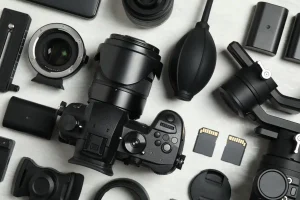
In the ever-evolving world of photography, choosing the right gear can feel overwhelming. With countless options available, a well-crafted camera gear review becomes an invaluable resource for photographers seeking clarity. This guide will walk you through the essential components of writing an engaging camera gear review that not only informs but resonates with readers. Drawing on personal experiences and expert insights, we will explore how to articulate the strengths and weaknesses of camera equipment, helping fellow photographers make informed decisions that enhance their creative journey.
Understanding the Product
Product Specifications
When embarking on a camera gear review, one of the first steps is to delve into the product specifications. These details lay the foundation for understanding the capabilities of the gear. For cameras, key specifications include megapixels, sensor size, ISO range, and autofocus points. Each of these factors plays a crucial role in the overall performance of the camera. For instance, a camera with a larger sensor size typically performs better in low-light situations, offering greater dynamic range and better image quality.
Lenses, too, come with their own set of specifications that warrant attention. Aperture, focal length, and image stabilization are vital aspects to consider. A fast aperture allows for excellent performance in low-light conditions, while image stabilization can greatly reduce blurriness in handheld shots. By presenting these specifications clearly, you provide readers with the technical context necessary to appreciate the gear’s capabilities.
Build Quality and Design
Next, the build quality and design of the camera gear should be assessed. This aspect is often overlooked but is critical for understanding how the gear will perform in real-world scenarios. High-quality materials can enhance durability, ensuring that the gear withstands the rigors of daily use. Discussing the ergonomics of the camera or lens is equally important. A comfortable grip and intuitive button layout can significantly affect the user experience, especially during extended shooting sessions.
Weather resistance is another feature that can make or break a gear’s usability in various environments. Photographers often find themselves shooting in challenging weather conditions, making it essential to know whether a piece of equipment can withstand rain or dust. By providing insights into these practical considerations, you help readers envision how the gear will fit into their own shooting style and conditions.
Performance Analysis
Image Quality
Once the specifications and build quality are discussed, it’s time to delve into performance analysis, starting with image quality. This is arguably the most crucial aspect of any camera gear review. Discuss the sharpness of images, color accuracy, and dynamic range. For example, a camera with a high dynamic range will excel in capturing details in both highlights and shadows, making it ideal for landscape photography.
Low-light performance is another vital consideration. How does the camera handle high ISO settings? Does it introduce significant noise, or does it maintain clarity and detail? Including sample images to illustrate these points can enhance your review, providing visual proof of the gear’s capabilities. This level of detail not only showcases your expertise but also builds trust with your readers, who will appreciate the depth of your analysis.
Autofocus and Speed
In addition to image quality, evaluating autofocus capabilities is essential. A fast and accurate autofocus system can make a significant difference, especially in dynamic shooting situations like sports or wildlife photography. Discuss the speed of the autofocus system and whether it uses phase detection, contrast detection, or a combination of both.
Continuous shooting rates are also worth mentioning. Cameras that can shoot at higher frames per second (fps) are preferable for capturing fast action. Explain how these features impact the shooting experience and the types of photography for which the gear is best suited. By providing this level of detail, you give readers clear insights into how the gear performs in practical applications.
Usability and Features
User Interface and Controls
Usability is a critical factor in any camera gear review. The user interface and controls of the camera should facilitate a smooth shooting experience. Discuss the layout of buttons, the accessibility of key features, and the overall intuitiveness of the menu system.
Customization options can greatly enhance usability, allowing photographers to tailor the camera settings to their preferences. Highlight any unique features that stand out, such as touchscreens, customizable function buttons, or user presets. A well-designed interface can significantly enhance a photographer’s workflow, making it easier to capture the perfect shot in various scenarios.
Connectivity and Compatibility
In today’s digital age, connectivity is becoming increasingly important in camera gear. Discuss the available connectivity options, such as Wi-Fi, Bluetooth, and USB-C. These features allow photographers to transfer images easily, control the camera remotely, or tether it to a computer for studio work.
Compatibility with accessories is another significant consideration. Whether it’s lenses, external flashes, or other peripherals, knowing what works well with the camera can influence purchasing decisions. By providing a comprehensive overview of connectivity and compatibility, you empower readers to envision how the gear will integrate into their existing systems.
Real-World Testing
Practical Applications
To truly understand a camera or lens, real-world testing is invaluable. Share your personal experiences or anecdotes about using the gear in various shooting scenarios. For instance, how did the camera perform during a wedding or while capturing wildlife?
Discuss specific challenges you faced and how the gear responded. Did the autofocus keep up with fast-moving subjects? Were you able to achieve the desired depth of field in portraits? By sharing these insights, you allow readers to relate to your experiences, helping them envision how the gear might work for their own photography needs.
Comparisons with Similar Products
Comparison with similar products is another essential component of a thorough review. Analyze how the gear stacks up against its competitors. Highlight its strengths and weaknesses in relation to other options in the market.
For example, if reviewing a specific lens, compare it to similar lenses in terms of price, image quality, and unique features. This kind of analysis helps readers make informed decisions by clarifying which product best suits their needs. The goal is to provide a balanced perspective that acknowledges both the merits and shortcomings of the gear.
Final Thoughts and Recommendations
Pros and Cons Summary
In concluding your review, summarize the key pros and cons of the gear. This concise recap can help reinforce your analysis and provide a quick reference for readers. Highlight what type of photographer would benefit most from the gear and what situations it excels in.
For example, if reviewing a high-end camera, you might note its outstanding low-light performance and fast autofocus as pros, while also mentioning its higher price point as a con. This transparency builds credibility and helps readers make their own judgments based on their unique circumstances.
Value for Money
Finally, evaluating the value for money is crucial. Discuss the pricing of the gear in relation to its features and performance. Is it worth the investment? Are there more affordable alternatives that offer similar performance?
A well-rounded assessment of value helps readers understand not just the product’s capabilities but also its standing in the market. By providing this perspective, you help them weigh their options and make a decision that aligns with their budget and photographic ambitions.
Conclusion
In summary, writing a comprehensive camera gear review involves a deep dive into specifications, performance, usability, and real-world applications. By crafting reviews that are informative, engaging, and personal, you can significantly impact the photography community. Your insights can guide fellow photographers as they navigate the complex landscape of camera gear, helping them make choices that enhance their creative journeys. Remember, the goal is to empower your readers with knowledge and inspire them to capture the world through their lenses.
FAQs
What should I include in a camera gear review?
A good camera gear review should cover product specifications, performance analysis, usability, real-world testing, and comparisons with similar products.
How do I assess image quality in my review?
Evaluating image quality involves discussing sharpness, color accuracy, dynamic range, and low-light performance, often supported by sample images.
What is the importance of build quality in camera gear?
Build quality impacts durability, usability, and the gear’s ability to withstand different shooting conditions, making it essential to mention in a review.